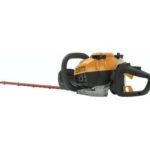
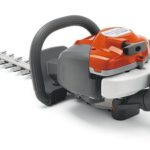
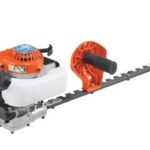
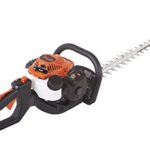
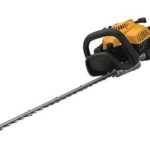
Gas powered hedge trimmers occupy a distinct place among the tools people reach for when a garden demands serious cutting power. Unlike corded electric or battery models, these machines carry their own fuel supply, which frees the user from outlets and extension cords and lets the work continue across a larger property without hunting for a socket. For homeowners with long hedgerows, thick shrubs, or dense boundary bushes, that independence is often the deciding factor. A gas trimmer suits the sort of trimming job where mobility matters as much as raw strength, and where the hedge line stretches well beyond the reach of a cable.
The appeal of a petrol driven trimmer comes down to sustained torque and endurance. A small engine keeps the reciprocating blades moving through tough, woody growth that might stall a lighter electric unit, and it can run for extended periods as long as fuel is on hand. This makes gas models a natural fit for rugged, overgrown hedges and for shaping work that requires patience and repeated passes. Buyers weighing their options should think honestly about the density of their shrubs and the length of their trimming sessions, because the extra capability of a gas engine is most valuable when the task is genuinely demanding.
Handling and comfort deserve careful attention when comparing gas powered trimmers. Engines add weight, and that weight sits in the hands and arms through every sweep of the blade, so a comfortable grip, balanced weight distribution, and sensible handle spacing make a real difference over long periods. Vibration is another factor, since prolonged exposure can bring on fatigue and reduce control. A well designed machine with an effective anti vibration system and an easy to reach throttle helps the operator stay steady, keep the blade level, and produce a neat, even finish along the hedge face.
Maintenance sets gas trimmers apart from their electric counterparts and should be part of any buying decision. These tools require fuel mixing, regular attention to the air filter and spark plug, and care of the cutting blades to stay effective. In return, they offer independence from cords and batteries and a dependable source of power for tough jobs. Buyers should consider whether they are comfortable with routine upkeep, storing fuel safely, and starting an engine by hand. Those who prefer minimal fuss may lean toward other types, while those who enjoy a capable, self sufficient tool will find a lot to like.
Reading reviews with a critical eye helps narrow the field, since ratings alone rarely tell the whole story. Look for comments about starting reliability, blade quality, weight in real use, and how the trimmer handles dense branches rather than soft growth. Specifications such as blade length, tooth spacing, and cutting capacity matter, but so do the everyday experiences of owners working in similar gardens. Comparing several models side by side, and matching their strengths to the hedges actually growing in your yard, is the surest path to a purchase that keeps the garden tidy season after season.