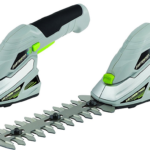
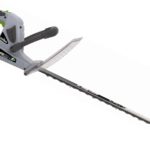
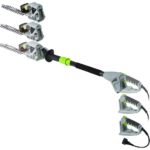
When shopping for a hedge trimmer, the blade quality and length are among the most important factors to consider. Longer blades allow you to cover more area in a single pass, making them ideal for tackling large hedges and dense shrubs. However, shorter blades offer greater maneuverability and precision for detailed trimming work around windows, fences, and ornamental bushes. The blade material matters too; hardened steel blades hold their edge longer and require less frequent sharpening. Dual-action blades, which move in opposite directions, reduce vibration significantly and make extended trimming sessions far more comfortable. Always match the blade length to the typical size of your hedging tasks.
Cordless hedge trimmers have become increasingly popular thanks to advances in lithium-ion battery technology. These battery-powered tools offer freedom of movement without the hassle of a power cord or the noise and fumes of petrol models. When evaluating cordless trimmers, pay close attention to battery voltage and amp-hour ratings, as these directly affect cutting power and runtime. Many modern models feature interchangeable batteries that work across a range of garden tools, adding convenience and value. Keep in mind that battery charge time and the availability of a second battery can make a significant difference when you have a large garden to maintain.
Electric hedge trimmers, both corded and cordless, are generally lighter and quieter than their petrol counterparts, making them an excellent choice for residential gardens. Corded electric trimmers provide unlimited runtime as long as you have access to an outlet, making them suitable for larger properties where extended use is required. They tend to be more powerful than basic cordless models and are often more affordable. The main trade-off is the need to manage the extension cord, which can be cumbersome when working around trees and shrubs. Many users find that a lightweight corded trimmer with a decent reach is the perfect balance of power and ease of use for regular hedge maintenance.
Proper maintenance is essential for keeping your hedge trimmer performing at its best season after season. After each use, clean the blades thoroughly to remove sap, debris, and plant residue that can cause rust and dullness. Applying a light coating of lubricating oil to the blades helps prevent corrosion and ensures smooth cutting action. It is also wise to periodically check and tighten any loose screws or bolts, as vibrations during use can cause hardware to work free over time. Store your trimmer in a dry, sheltered location, and for battery-powered models, follow the manufacturer's guidelines for charging and storage to prolong battery life. A well-maintained trimmer makes each trimming job easier and safer.
Safety should always be a priority when operating any hedge trimmer, regardless of the type or brand. Always wear protective eyewear and gloves to shield against flying debris and sharp blades. Sturdy footwear with good grip is important when working on uneven ground or near garden edges. Before starting work, inspect the area for hidden obstacles such as wires, fences, or stones that could damage the blades or cause the trimmer to kick back. Keep both hands on the handles at all times and maintain a stable stance while cutting. It is also advisable to work at a comfortable pace, taking breaks to avoid fatigue, as tired hands and arms are more prone to losing control of the tool.