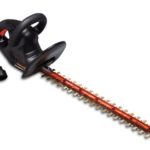
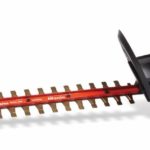
Remington is a familiar name in the outdoor power tool market, often appearing in buyer guides and comparison charts alongside other mainstream brands. When evaluating hedge trimmers, shoppers tend to weigh its reputation for accessible, budget-friendly equipment against the wider landscape of corded, cordless, and petrol options. Reviews frequently place Remington models in the entry-level and mid-range tiers, where ease of use and familiar features matter most to homeowners. The brand is generally considered a practical choice rather than a premium one, which shapes how reviewers frame its strengths and weaknesses. Understanding where Remington sits in this spectrum helps readers interpret ratings, feature lists, and overall value claims in context.
Trim performance is a central focus in any Remington hedge trimmer assessment, particularly the balance between blade length, tooth spacing, and cutting capacity. Reviews often highlight how these specifications translate into real-world results on common garden shrubs, decorative bushes, and small branches. Some models are praised for clean cuts on lighter growth, while others are noted to struggle with thicker or woody material. Blade action, whether single or dual-sided, influences shaping efficiency along hedge faces and tops. Readers benefit from understanding that published specifications describe capability limits, and that matching those limits to the typical workload in a garden is key to selecting an appropriate tool.
Ergonomics and handling are recurring themes in Remington trimmer commentary, with attention given to grip design, weight distribution, and overall balance during extended trimming sessions. Many users appreciate tools that remain comfortable over longer periods, reducing hand fatigue and improving control along uneven hedge lines. Handle layout, trigger placement, and vibration levels all factor into how a trimmer feels during repeated passes. Safety features such as blade guards and two-handed switches are also routinely discussed, especially in relation to hedge work where reach and visibility can vary. Comfortable, intuitive handling tends to be a decisive factor for buyers who want a manageable tool rather than a heavy or cumbersome one.
Power source is another defining consideration when reviewing Remington hedge trimmers, as the brand offers corded electric, cordless battery-powered, and occasionally petrol-oriented configurations. Corded models are typically discussed in relation to consistent power delivery and uninterrupted runtime, balanced against the limits of cable length and access to outdoor outlets. Cordless options focus on battery technology, charge times, and expected runtimes per session, with lithium-ion platforms frequently highlighted for their lighter weight and convenience. Petrol units, when available, tend to attract attention for greater mobility and cutting authority, though they involve additional considerations regarding noise, fumes, and routine engine maintenance that buyers should weigh carefully.
Build quality, maintenance needs, and long-term value round out the typical Remington hedge trimmer review narrative. Buyers frequently comment on housing materials, blade construction, and the presence of features intended to simplify cleaning or extend service life. Ease of blade maintenance, availability of replacement parts, and clarity of warranty terms all contribute to perceived ownership value. Reviews often emphasize that a lower purchase price can be offset by shorter durability or higher upkeep demands, so weighing construction details against typical garden use is wise. Considering total cost of ownership, rather than initial price alone, helps readers judge whether a Remington trimmer aligns with their expectations for reliability and ongoing care.