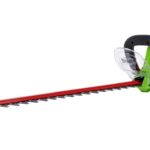
When shopping for a hedge trimmer, the blade quality and length are among the most important factors to consider. Longer blades allow you to cover more ground quickly, making them ideal for larger hedges and taller shrubs. However, shorter blades offer greater maneuverability and precision for detailed shaping work. The spacing between the teeth also matters: wider gaps handle thicker branches, while narrower gaps produce a finer, cleaner cut. Steel blades that are rust-resistant and retain sharpness over time will save you the hassle of frequent maintenance. Always match the blade type to the typical growth in your garden for the best results.
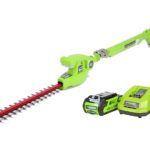
Cordless hedge trimmers have become increasingly popular thanks to advances in battery technology. Lithium-ion batteries provide reliable power without the heavy weight of older models, and they hold their charge longer when not in use. A cordless trimmer frees you from the limitations of a power cord, allowing you to reach every corner of your garden without worrying about finding an outlet. The trade-off is that you must keep the battery charged, and runtime may be limited for larger jobs. Many modern cordless trimmers offer enough cutting capacity to handle most residential trimming tasks with ease.
Electric hedge trimmers, both corded and cordless, are generally lighter and quieter than their petrol-powered counterparts. This makes them a great choice for homeowners who want to maintain their garden without disturbing the neighbors. Corded electric models provide unlimited runtime as long as you have access to an outlet, making them suitable for larger properties with extended hedges. They tend to be more affordable and require less maintenance than petrol models. On the downside, the cord can be cumbersome, and you may need an extension lead to reach distant areas of your yard.
Safety should always be a priority when operating any hedge trimmer. Wearing protective gloves and safety glasses helps prevent injury from flying debris and sharp blades. It is also wise to wear sturdy footwear and long sleeves, especially when working with dense or overgrown hedges. Before each use, inspect the trimmer for any damage or loose parts, and ensure the blade is clean and sharp. Never force the trimmer through thick branches beyond its rated capacity, as this can cause the tool to kick back or stall. Taking a few extra moments to prepare can prevent accidents and make the job much more pleasant.
Proper maintenance extends the life of your hedge trimmer and keeps it performing at its best. After each use, clean the blades with a soft brush or cloth to remove sap, dirt, and plant debris. Applying a light coating of lubricant helps prevent rust and keeps the cutting action smooth. For petrol models, regular checks on the air filter, spark plug, and fuel system are essential. Store the trimmer in a dry, sheltered place, and if it is cordless, remove the battery for separate storage. Following these simple steps will ensure your trimmer is ready to go whenever your hedges need a tidy-up.